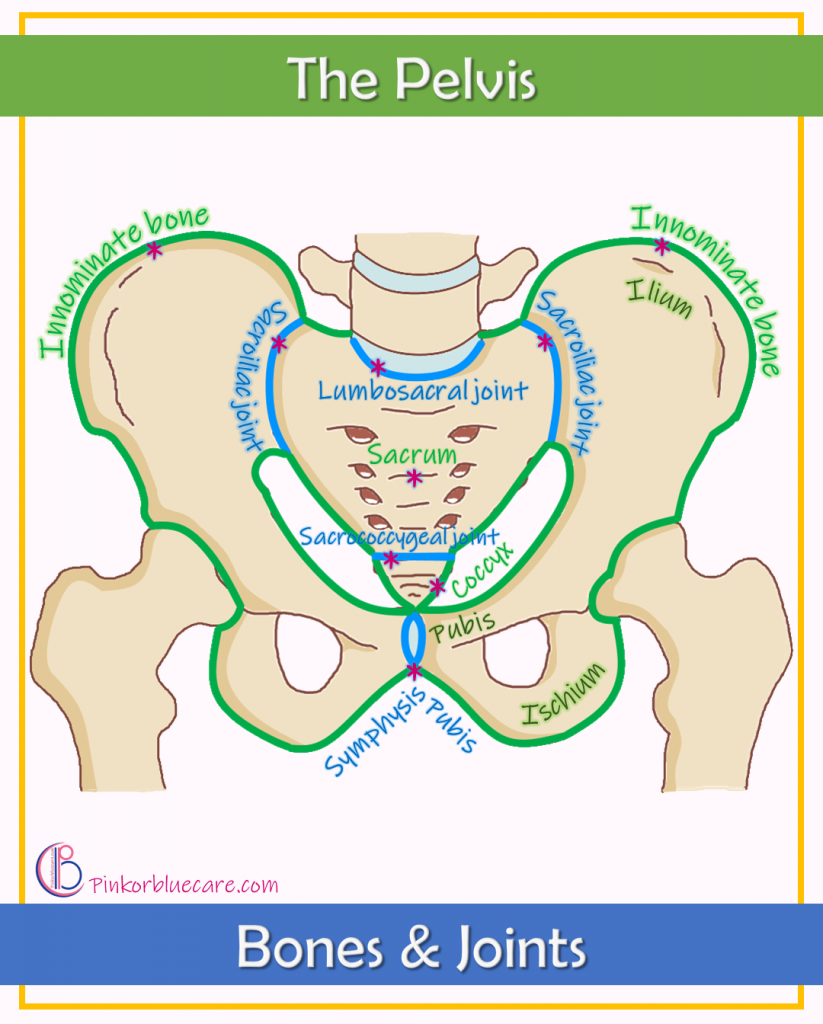
The pelvis protects the reproductive organs, and is the bony passage through which the baby must pass in order to be born.
We care about you.

The pelvis protects the reproductive organs, and is the bony passage through which the baby must pass in order to be born.
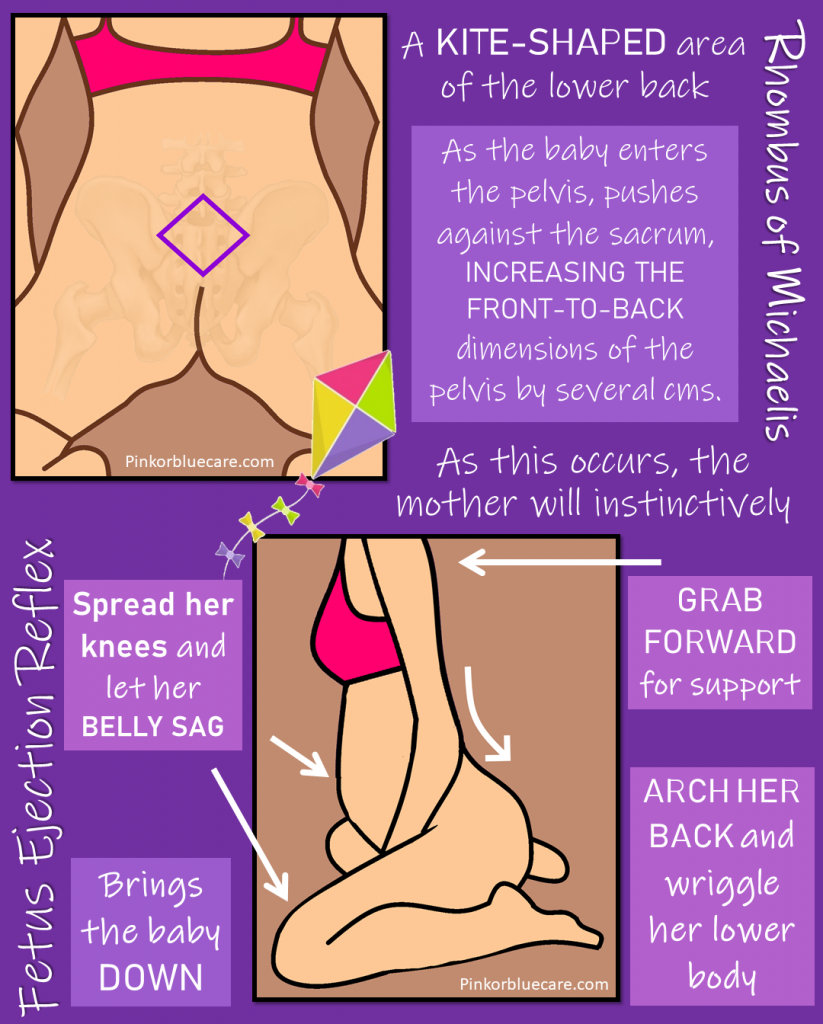
A kite-shaped area of the lower back which plays a key role in physiological birth.
Continue reading “Bringing the baby down”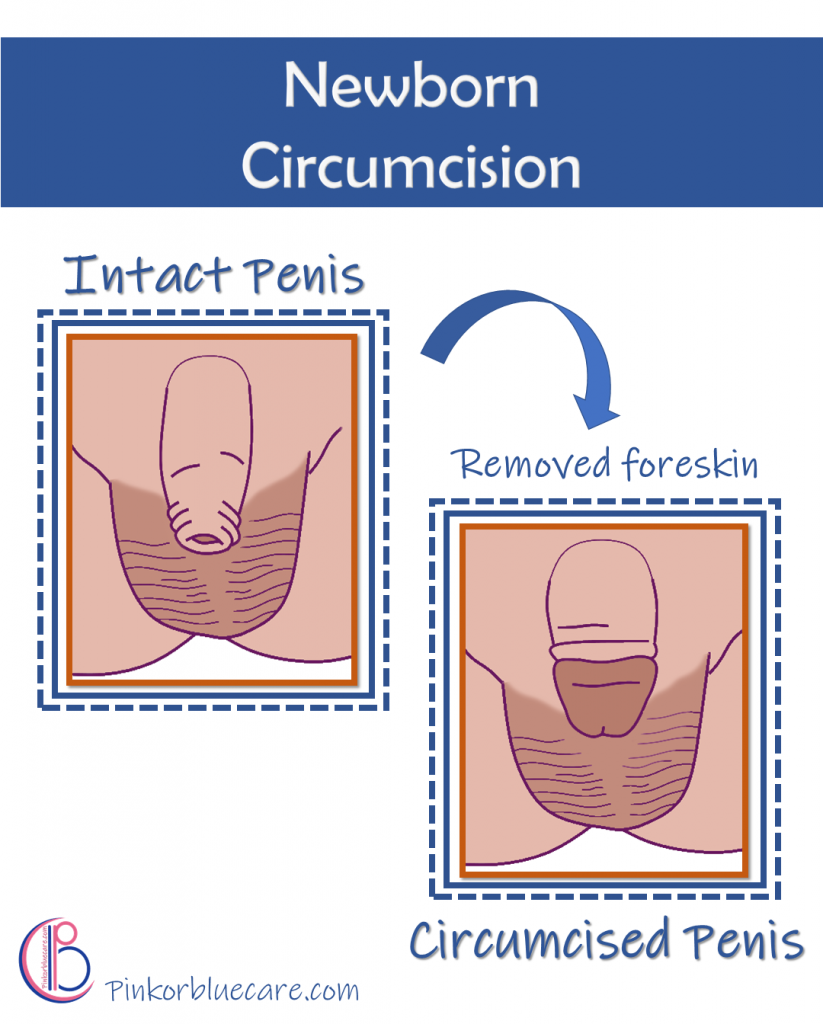
This is a very common question among parents and even health care providers. Parents should take a time to decide if they really want to circumcise or not. This is not a decision that must be taken due to social pressure or believing it has a medical benefit. Parents should determine what is in the best interest of the child, take into account cultural and religious traditions, in addition to medical factors.
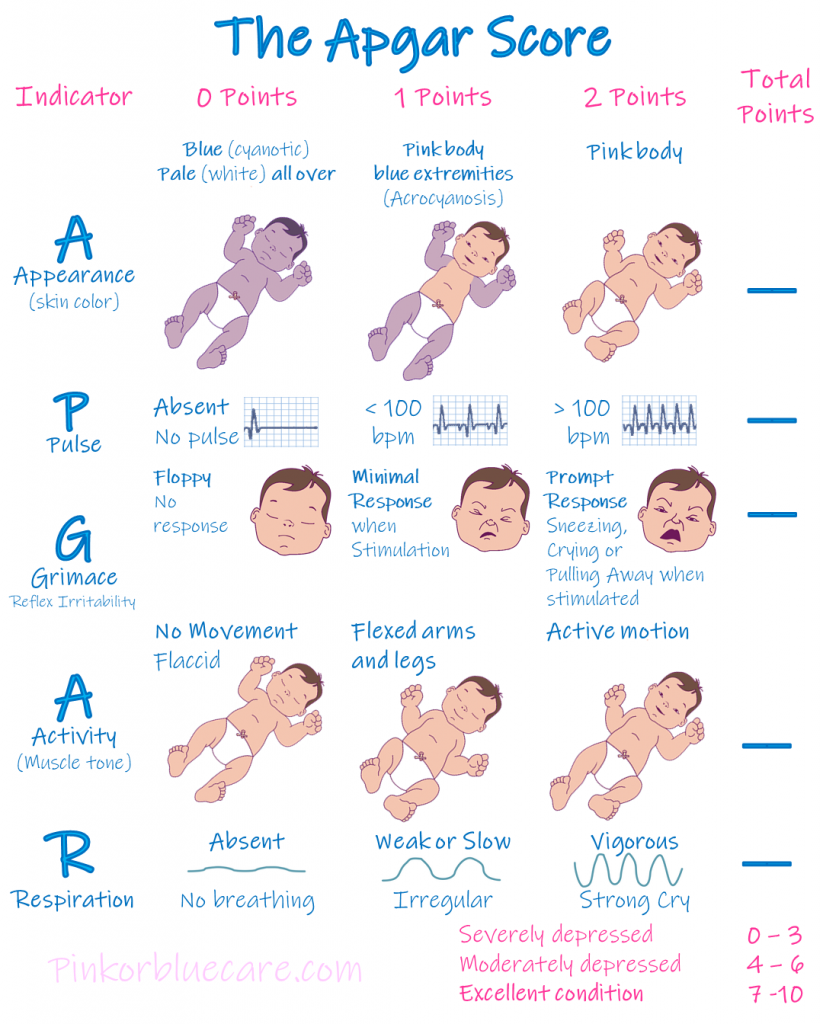
Continue reading “Newborn Circumcision”Developed during the 1950’s by Dr. Virginia Apgar to predict survival of the neonate. In which, transition to extrauterine life and the need for resuscitation is evaluated .
Are four specific steps in palpating the uterus through the abdomen, from the fundus all the way down to the pelvic brim, named after the gynecologist Christian Gerhard Leopold.

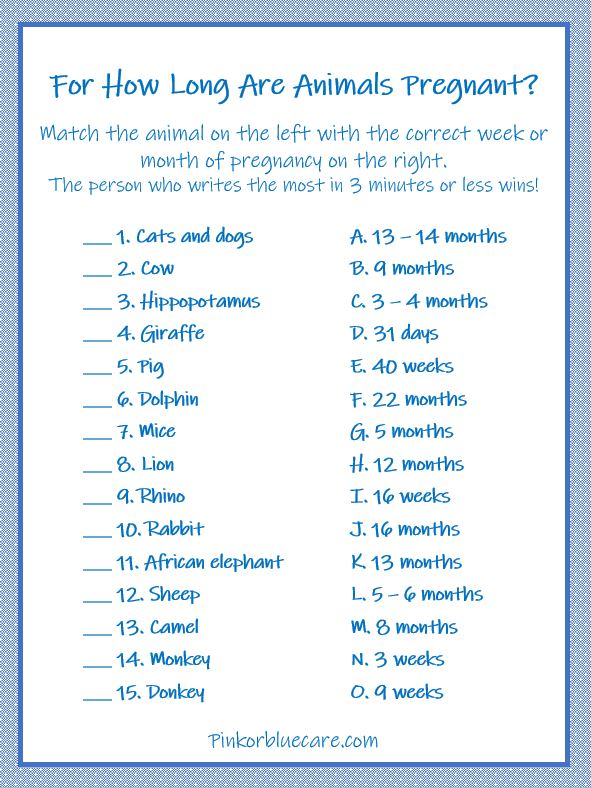
For How Long Are Animals Pregnant … In this game the participants will have to guess how many weeks or months animals are pregnant. The first to finish in 3 minutes or less will win! Enjoy
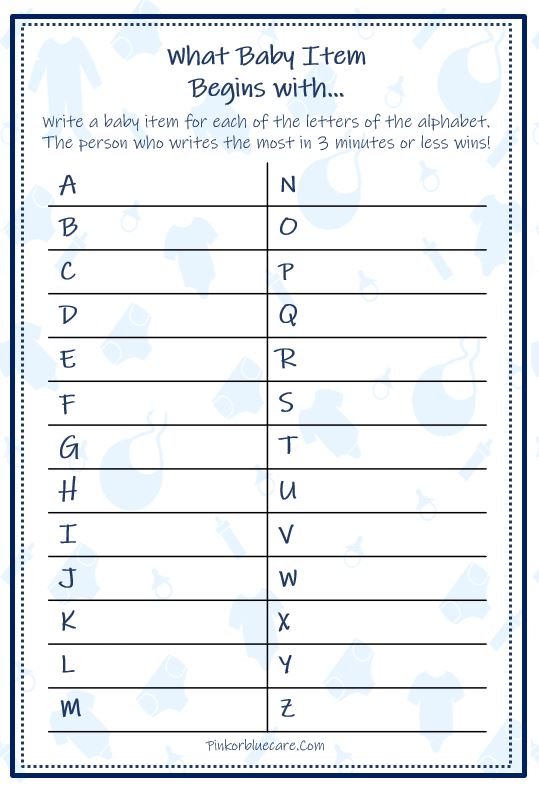
What Baby Item Begins With… In this game the participants will have to write down a baby item with each word of the alphabet. The first to finish in 3 minutes or less will win! Enjoy

It is good to know what you can do when your water breaks ahead of time. This will help you feel more calm at the time of action. What happens when you get to the hospital or birth center depends on if your labor has started or not and how far along you are.
Continue reading “How Do You Know and What To Do When Water Breaks”
AKA “Waters have released” or “leakage of clear fluid from the vagina”
– Represent the spontaneous rupture of fetal membranes before the onset of labor, despite of gestational age.
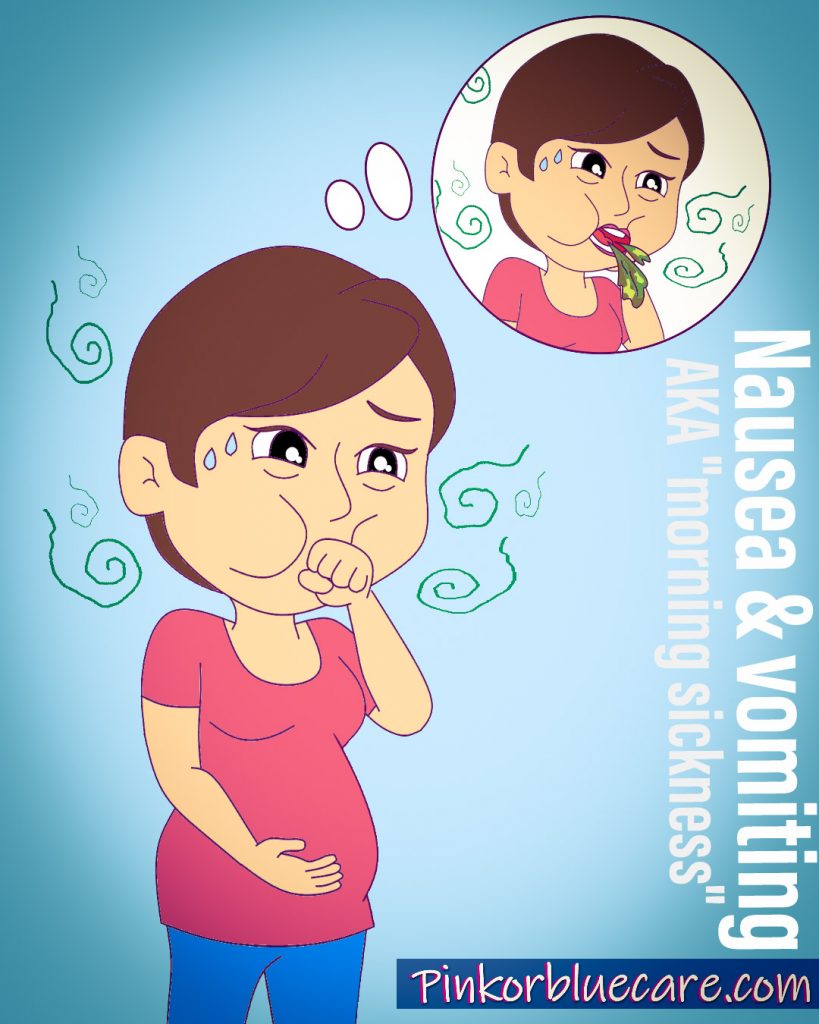
Around 70 – 85% of pregnant women experience nausea and/or vomiting. It frequently occurs in the morning, but it can occur throughout the day. Nausea and vomiting are common complaints during the first trimester of pregnancy, so common, in fact, that they are presumptive signs of pregnancy.
Continue reading ““Morning sickness” : Nausea and Vomiting that can occur day or night”